
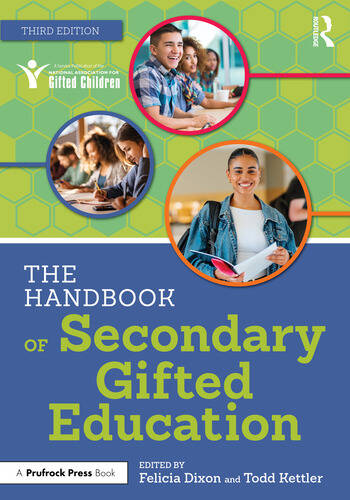
The Handbook of Secondary Gifted Education (Third Edition)
The Handbook of Secondary Gifted Education offers an in-depth, research-based look at ways schools and classrooms can effectively support the development of gifted adolescents in today’s educational landscape.
Featuring illuminating interviews with Bruce Lee’s friends, students, and authorities on Lee’s art—including Taky Kimura, John Little, Larry Hartsell, Lamar Davis, Burton Richardson, Leo Fong, Patrick Strong, and many others—this book offers unparalleled insights into Lee’s influence on martial arts and philosophy.
Co-published with the National Association for Gifted Children (NAGC), this third edition provides a comprehensive framework that places gifted adolescents and their unique developmental needs at the center of building effective educational programs. Thoroughly revised and updated for 2025, this edition examines the nature of giftedness in adolescence, explores the talent development process across multiple domains, provides rigorous curriculum guidance for all core content areas, addresses essential support services, and offers expertise for teachers and administrators currently in the classroom.
Authored by leading scholars and practitioners in gifted education, this essential resource is vital for educators, counselors, administrators, and researchers committed to developing the potential of high-ability secondary students during this critical developmental period.
Table of Contents
PART I: On Being Gifted and Adolescent
1. Conceptions of Giftedness and Talent in Adolescence
Felicia A. Dixon and Sidney M. Moon
2. Identity and Career Development in Gifted Adolescents
Kristofor R. Wiley
3. The Social Emotional Development of Academically Advanced Adolescents at the Secondary Level
Megan Foley-Nicpon and Alejandra R. Castillo
4. Strength-Based Teaching Strategies for Gifted High School Students with Autism Spectrum Disorder
Sally M. Reis and Sara J. Renzulli
5. Being Gifted and Adolescent: Issues and Needs of Diverse Students
Frank C. Worrell
6. The Twice-Exceptional Adolescents: Who are they? What do they need?
Susan M. Baum, Sara Renzulli, and Lisa A. Jobe
7. Motivation and Gifted Adolescents
Pamela R. Clinkenbeard, Vsevolod Scherrer, and Franzis Preckel
PART II: Talent Development in Adolescence
8. Fostering the Talents of Secondary Students Through the Lens of the Talent Development MegaModel
Paula M Olszewski-Kubilius and Rena F. Subotnik
9. Aligning Potential and Passion Can Lead to Promise: A Model for Educating Academically Talented Youth
Jonathan Wai
10. The Role of Out-of-School Programs in Talent Development in Secondary Schools
Eric Calvert and Susan Corwith
11. Creativity and Talent Development in Gifted Adolescents
Jeb S. Puryear and Kristen N. Lamb
PART III: What Schools Can Do: Provide Rigorous Curriculum for Gifted Secondary Students
12. Developing Exceptional Performers in Secondary Language Arts
Todd Kettler and Tim Spitsberg
13. Teaching for Excellence in Secondary Gifted Social Studies
April Walker and Joe Russell
14. Guiding Gifted Students Toward Science Expertise
Shelagh A. Gallagher
15. Secondary Mathematics for High-Ability Students
Scott A. Chamberlin and Ali Bicer
16. Developing STEM Talent in Secondary Gifted Education Programs
Maryann R. Hebda, Morgan R. Castillo, and Tracey N. Sulak
PART IV: What Schools Can Do: Provide Support Services for Gifted Secondary Students
17. Specialized Schools and Programs for Secondary Gifted Education
Cheryl Taliaferro and Emily Ramser
18. University-Based Special Schools for Gifted Secondary Students
Lynette Breedlove
19. Advanced Placement: Tailoring Advanced Coursework for Students with High Potential and High Ability
Melanie S. Meyer and Carol M. Raymond
20. Leadership Development in Secondary Gifted Education
Catherine A. Little and Kelly L. Kearney
21. The Career Decisions and Development of Gifted Secondary Students
Jae Yup Jung
22. Counseling Secondary Gifted Students
James Bishop
PART V: What Teacher Education Can Do: Provide Expertise and Direction
23. Preparing Teachers to Work with Secondary High-Ability Youth Professional Preparation and Licensure
Ann Robinson, Monica C. Meadows, and Lori Delk
24. Professional Development for the Education of Secondary Gifted Students
Mary L. Slade and Magdalena Fitzsimmons
25. Leadership Roles Impacting Gifted Education at the Secondary Level
Julie Lenner McDonald
Available on Amazon.
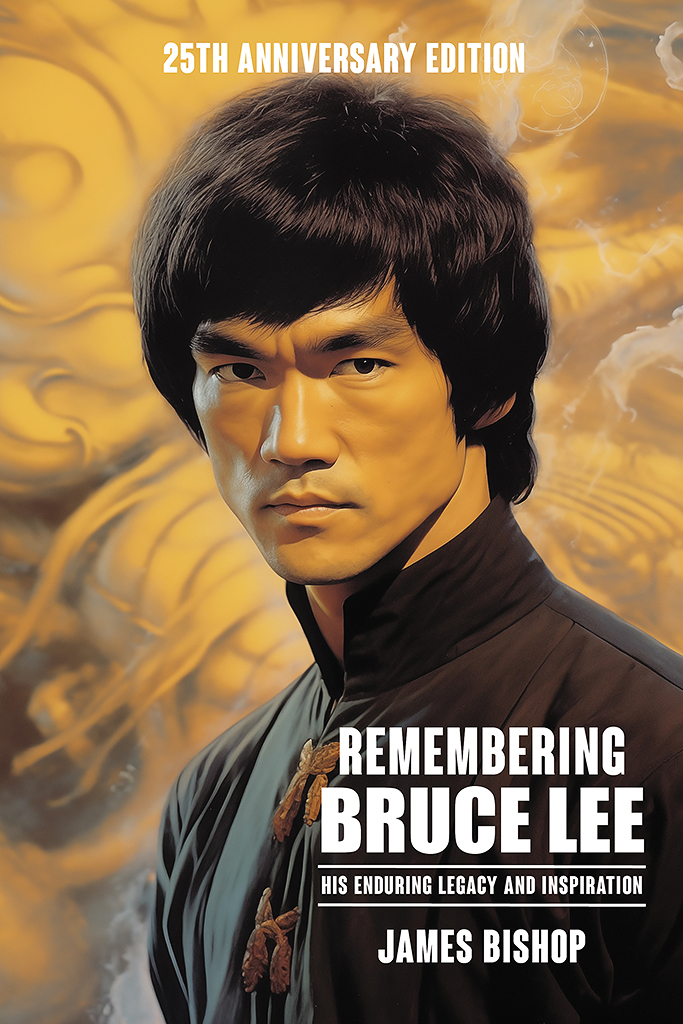
Remembering Bruce Lee: His Enduring Legacy and Inspiration (25th Anniversary Edition)
Discover the profound legacy of Bruce Lee like never before with Remembering Bruce Lee: His Enduring Legacy and Inspiration, an extraordinary addition to the rich tapestry of literature exploring his art and philosophy. Unlike traditional biographies, this meticulously crafted volume transcends mere portrayal of Lee as a martial artist or movie star, presenting him as a multifaceted individual—a revered author, fierce warrior, dedicated scholar, inspiring teacher, profound philosopher, and devoted father.
Featuring illuminating interviews with Bruce Lee’s friends, students, and authorities on Lee’s art—including Taky Kimura, John Little, Larry Hartsell, Lamar Davis, Burton Richardson, Leo Fong, Patrick Strong, and many others—this book offers unparalleled insights into Lee’s influence on martial arts and philosophy.
Remembering Bruce Lee: His Enduring Legacy and Inspiration is not merely a biography—it is a profound meditation on the life and legacy of Bruce Lee, offering a compelling blend of personal anecdotes, scholarly analysis, and heartfelt reflections. Within these pages, readers will not only uncover the depths of Lee’s character but also bear witness to the transformative power of his philosophy on countless lives around the globe. Whether you are a dedicated martial artist, a casual enthusiast, or simply curious about the legacy of the Little Dragon, this book is sure to enlighten and inspire.
This revised 25th anniversary edition has been meticulously updated to reflect the latest insights and understanding of Bruce Lee’s remarkable life and teachings. Through James Bishop’s expertly curated narrative, readers will gain a comprehensive understanding of Bruce Lee’s enduring impact on the world and the profound ways in which he continues to inspire individuals across generations.
Available on Amazon.
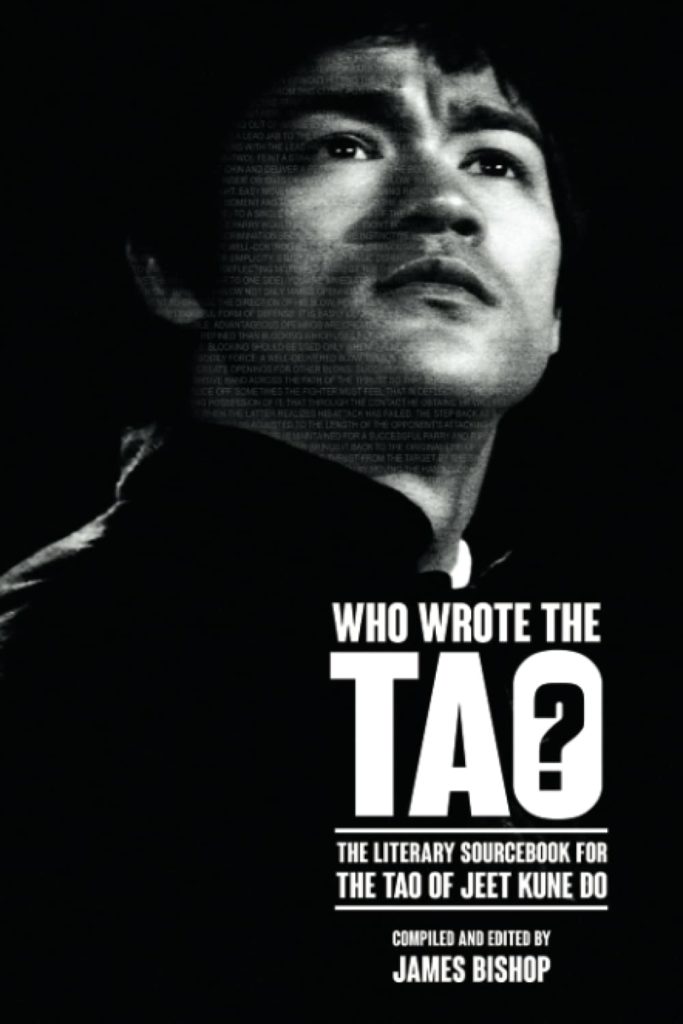
Who Wrote the Tao? The Literary Sourcebook for the Tao of Jeet Kune Do
In 1975, two years after the death of Bruce Lee, the Tao of Jeet Kune Do was released to a public eager to digest Bruce Lee’s martial arts wisdom. A runaway success, the book quickly became the primary textual resource for Lee’s martial art. But, almost immediately, claims were made that the contents of the book were not the work of Bruce Lee. Now the question of the authorship of the Tao of Jeet Kune Do is put to rest. In Who Wrote the Tao? The Literary Sourcebook for the Tao of Jeet Kune Do, James Bishop finally reveals the origins of the Tao of Jeet Kune Do along with a wealth of other information related to the book, including:
- The identified sources for approximately 85% of the contents of the Tao of Jeet Kune Do
- Detailed biographies of important contributors to the Tao of Jeet Kune Do, including Edwin Haislet, Roger Crosnier, Eric Hoffer, and more
- A biography of Gilbert Johnson, the man chosen by Bruce Lee’s widow to compile and edit the Tao of Jeet Kune Do
- The true story of Joe Snyder, the first scholar of the Tao of Jeet Kune Do
- Fascinating trivia about the Tao of Jeet Kune Do
- Statistics about the Tao of Jeet Kune Do’s contents
In addition, Who Wrote the Tao? The Literary Sourcebook for the Tao of Jeet Kune Do is formatted to make it easy to cross reference with the Tao of Jeet Kune Do.
Available on Amazon.
Official Website: WhoWrotetheTao.com
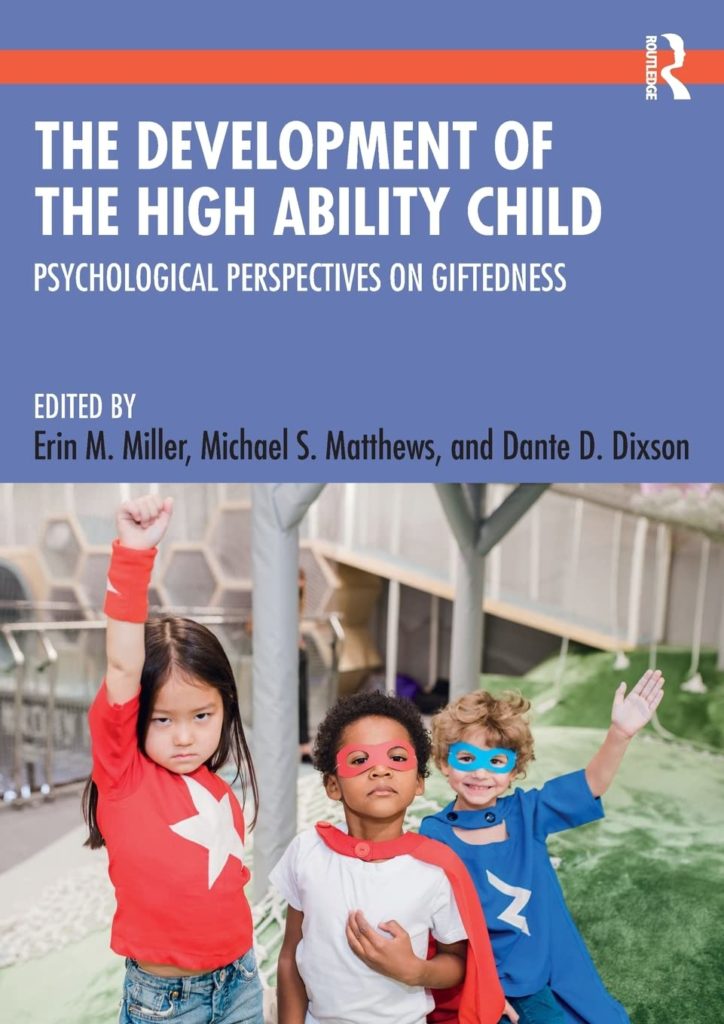
The Development of the High Ability Child: Psychological Perspectives on Giftedness
This valuable text will help readers to understand the physical, social, and cognitive development of high ability children. Written by experts in the fields of education and psychology, each chapter applies core principles of psychology to the development of gifted and talented children. Through the content, readers will be shown how these children are like all children as well as the ways in which their development is unique.
Covering the psychology of learning and learners, personality differences, language and physical development, problem solving, and motivation of high ability children, this book provides readers with a strong foundation for supporting and developing advanced learners. The text also includes Field Notes and Eye for Diversity sections to enable readers to put into practice, and recognize, important issues being discussed.
Throughout, the editors blend discussions of research with practical advice for individuals charged with nurturing children with advanced cognitive potential. It is an essential read for students, counsellors, administrators, therapists, and parents seeking to support high ability children and their needs.
Table of Contents
Introduction
Erin M. Miller and Michael S. Matthews
1. Key Methodological Issues in Researching Gifted Education and Advanced Academics
Matthew T. McBee
2. Physical Development of Gifted Students
Jennifer L. Jolly
3. The Psychology of Learning: Modalities and Their Application to Advanced Academics
James Bishop and Julia Hujar
4. The Role of Superior Attention and Memory Abilities in the Lives of Cognitively Advanced Individuals
Erin M. Miller
5. Language Development and Education of Advanced Learners and Precocious Readers
Mary Slade
6. Problem-Solving Characteristics in Gifted and Advanced Learners
Camelia Birlean, Emma Margaret Birlean and Bruce M. Shore
7. Motivation and Achievement in Gifted and Advanced Learners
Hope Elisabeth Wilson
8. Individual Differences in Personality Among Cognitively Advanced Learners
Sakhavat Mammadov
9. The Psychological Adjustment of Gifted Children and Individuals with High Intellectual Ability
Andrea Esperat Lein
10. Conclusions and Implications for the Future
Michael S. Matthews, Erin M. Miller and Dante D. Dixson
Available on Amazon.
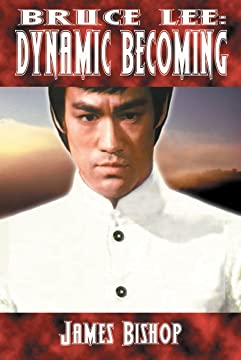
Bruce Lee: Dynamic Becoming
For the average person, Bruce Lee was a brief star in the entertainment industry who spawned a pop culture kung fu craze. But to those who knew him, Bruce Lee was also an author, scholar, educator, philosopher, as well as a groundbreaking martial artist; a man whose creative energy and desire to grow brought him the respect of hundreds of thousands of people.
Bruce Lee: Dynamic Becoming is the culmination of several years of research into the life and philosophy of Bruce Lee. The book is a serious scholastic examination of Lee’s philosophy, for the first time revealing never-before-released information regarding the sources from which Lee derived it. Bruce Lee: Dynamic Becoming includes interviews with students and friends of Bruce Lee who were profoundly impacted by his philosophy and is the only book on the philosophy of Bruce Lee that includes commentary on the subject by noted scholars in the mainstream philosophical and scholastic community.
Available on Amazon.
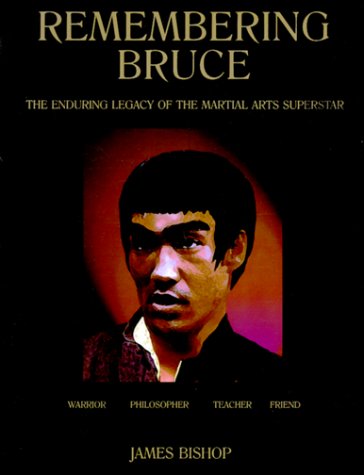
Remembering Bruce: The Enduring Legacy of the Martial Arts Superstar
The world was electrified in 1973 when Enter the Dragon was released. Western audiences had never seen a screen hero with such charisma, on screen presence and athletic grace. Sadly, its star, Bruce Lee, died three weeks before its release — yet, on the basis of Enter the Dragon and four other Hong Kong productions, Bruce Lee has become an immortal icon, a man with a following that reaches every corner of the globe with an almost religious fervor. What is it about Bruce Lee that captures the attention of so many? Remembering Bruce reveals the real Bruce Lee, a passionate man whose martial arts skill and philosophical teachings have attracted generations to his message. More than an actor, Bruce Lee was a teacher who inspired countless people to honestly express themselves and become better human beings. Remembering Bruce examines Lee’s legacy not just as a star and martial artist, but as a teacher and motivator. Each chapter explores a different side of Bruce Lee:
- A martial artist whose almost superhuman abilities transformed the sport
- A movie star, the first international Asian star (and his complete filmography)
- The philosopher, and the source of his values, beliefs and discipline
- The family man, devoted husband and father
- His legend, and information on the new Bruce Lee Historical Society
- The legacy, including college courses taught on his philosophical concepts.
Of the many books on Bruce Lee, most deal with the mechanics of his art or are repetitive biographies. Remembering Bruce is special. Written by an educated fan who is also a martial artist, Remembering Bruce unveils the truth behind the Bruce Lee myth: that Bruce Lee was much more than just an actor — indeed, that he was an innovative thinker, a great mind of his time whose legacy will endure.